Optimizing the stock shipping flow for fulfillment
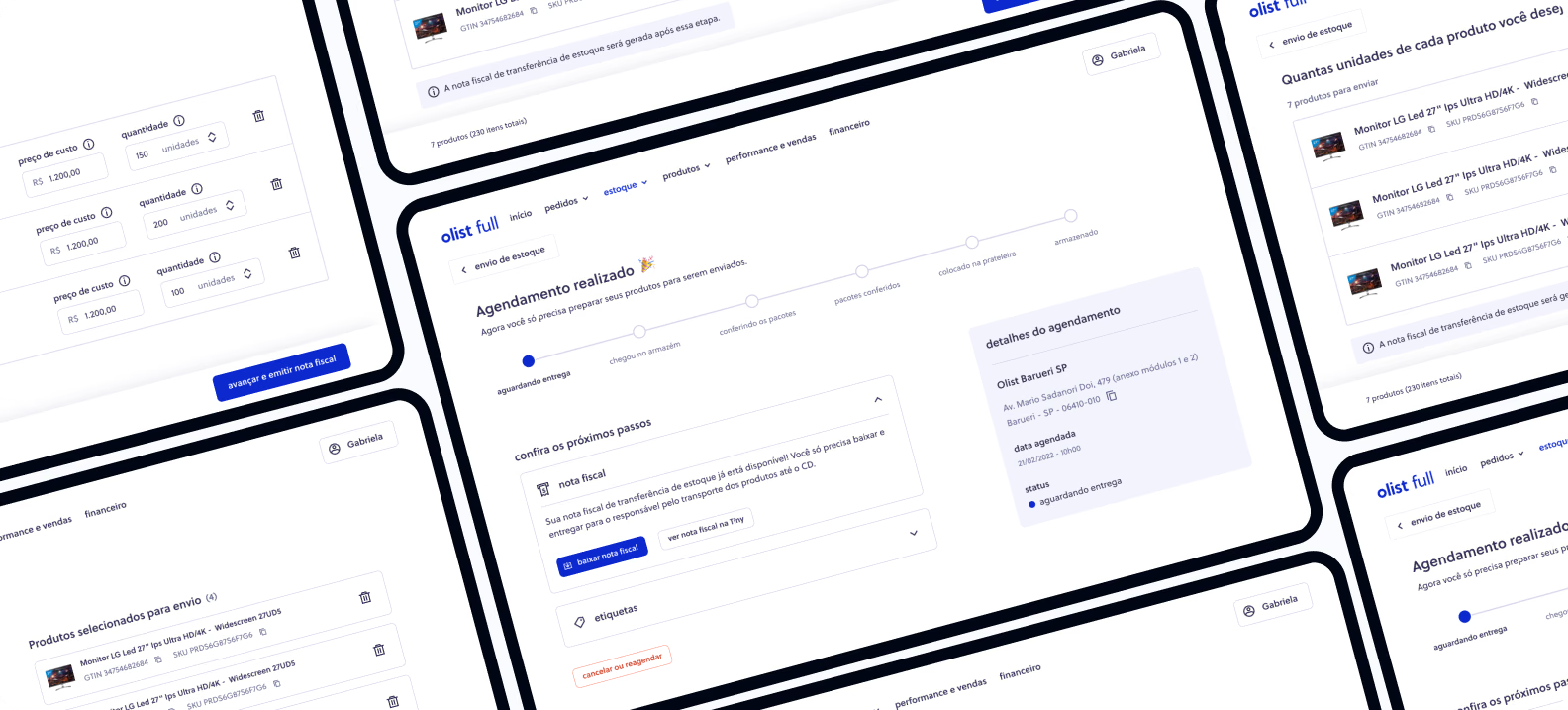
The project aimed to optimize the inventory shipping flow for fulfillment, reducing friction and increasing the rate of retailers with products stored in the distribution center — an essential factor for sales and revenue in the marketplace.
- UX Strategy
- Research
- Data & Metrics
- UX/UI Design
Context
Challenge/Problem
- Low retailer adherence to inventory submission → few products available for sale.
- Direct impacts: drop in conversion rate, fewer orders in fulfillment, and loss of revenue for retailers and for Olist.
Solution
- Redesign of the inventory shipment flow, integrating the issuance of transfer invoices directly in Olist.
- Expansion of the solution for issuance of sales invoices.
- Reduction of dependence on external ERPs → more control, fewer errors.
Tools used:
FigmaMiroGoogle MeetJiraMixpanelDovetailDesign Process
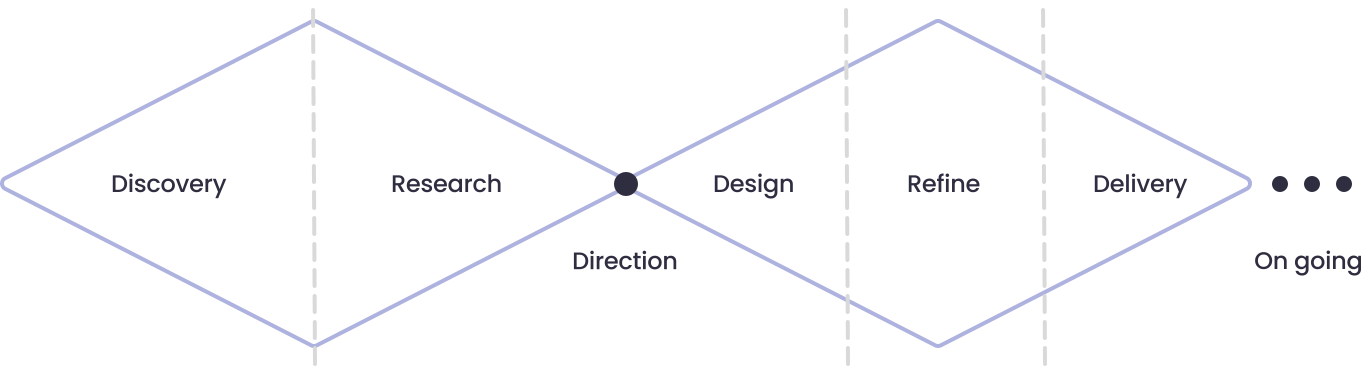
From discovery to delivery, I led the design process along with the Fulfillment By Olist squad, validating prototypes with real users and iterating until reaching the final version.
-
Discovery
- KPI
- OKR
- Desk research
- CSD matrix
- Analytics
Discovering the root of the problem
When analyzing the funnel, we noticed that the biggest friction occurred at a specific point: the issuance and upload of the invoice.
More than 60% of the invoices were rejected due to filling errors.Almost 1 in 4 retailers abandoned the process at this moment.And the calls to support about billing represented 80% of the demand.This was the journey that retailers needed to take to ship the products:

It was clear that the process was not working for our users.
-
Research
- Heat map
- Data analysis
- User interviews
- Personas
- Data triangulation
Listening to those who really matter
To deeply understand the problem:
I identified different user profiles, from traditional industries entering retail to small e-commerce businesses betting on marketplaces.I triangulated transactional, behavioral data and in-depth interviews with retailers.To understand closely, I immersed myself in the routine of the retailers. We interviewed distinct profiles — from the large established store to the individual entrepreneur.
The perception was unanimous:
“Issuing an invoice within the current flow is confusing, time-consuming, and risky.”
Furthermore, we found that 65% of sellers used Tiny as their ERP. Although it is a well-structured solution, its complex configuration and external dependencies created insecurity.
-
Direction
- Cost and effort matrix
- Prioritization
The turning point
It was at this point that the central hypothesis emerged:
“What if Olist took on the issuance of the invoice within its own platform?”
This decision represented much more than a technical change — it was a change in mindset. We were bringing a critical process into the ecosystem, giving the retailer confidence and autonomy.
-
Design
- Wireframe
- Design system
- Low-fidelity prototype
- Usability
Building the solution
The redesign of the flow was designed to:
1.Simplify the journey: fewer clicks, fewer doubts.2.Reduce errors: guided filling and automatic validations.3.Empower the retailer: issuing transfer invoices and also direct sales on Olist.The proposal was to make the journey smoother, less fragmented, and easier to increase the conversion rate of sending products for fulfillment.

-
Refine
- Event mapping
- Use cases
- Exception cases
- High-fidelity prototype
- Usability test
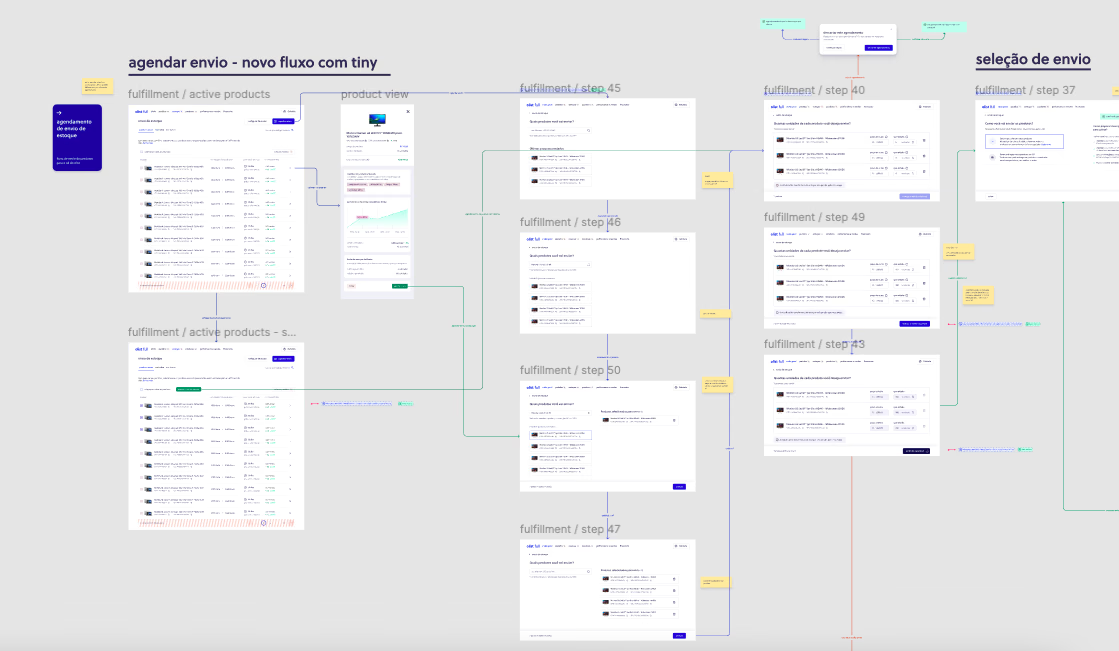
We create prototypes, test them with real retailers, and adjust details until we achieve a smooth experience.
-
Delivery
- Navigable prototype
- Handoff
The final solution brought:
Simplification
Shorter and more intuitive steps
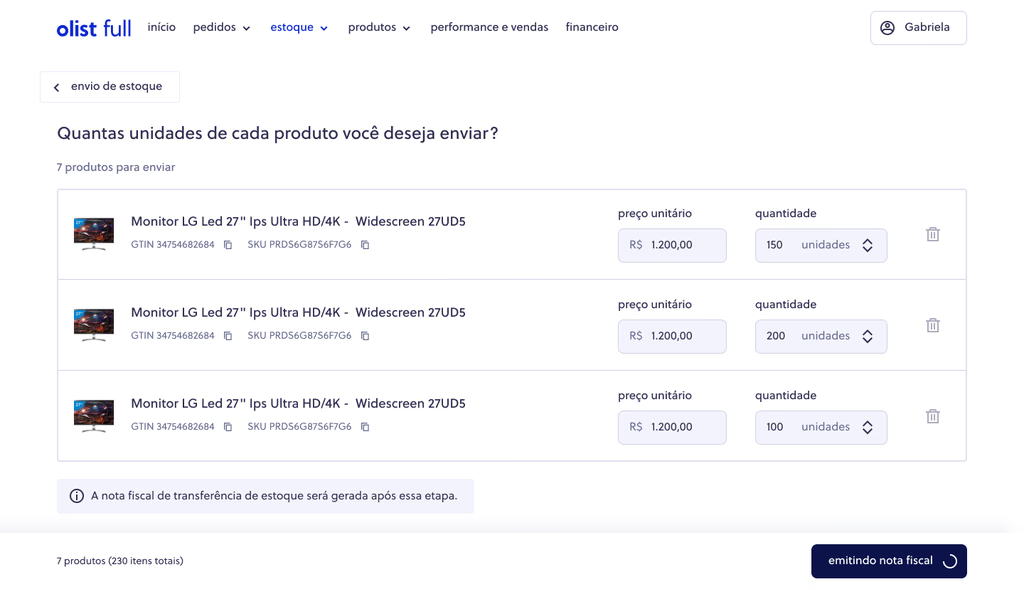
Reduction of errors
Automatic validations and clear instructions for filling out the NF.
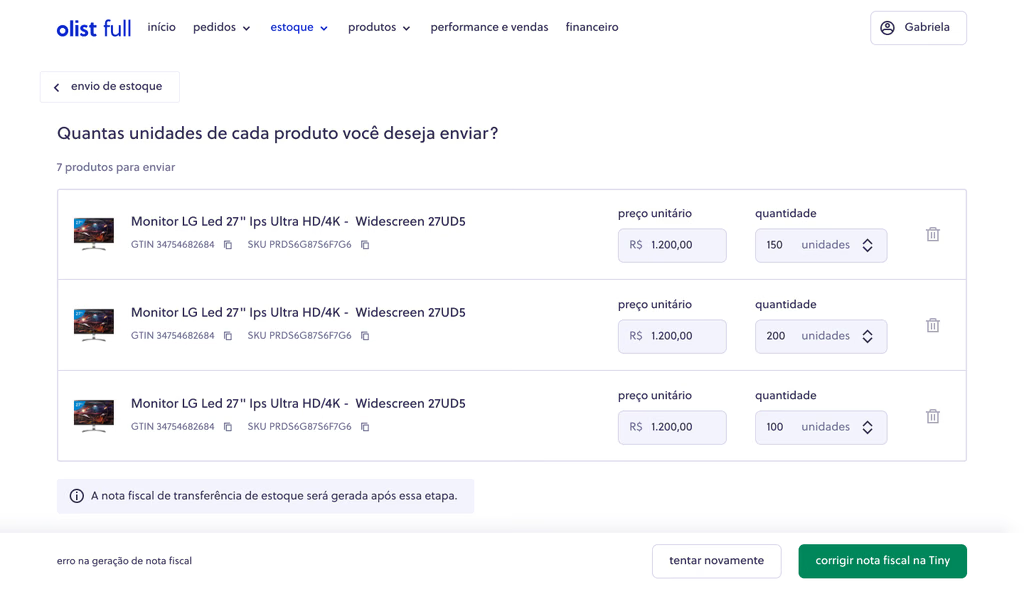
Trust
Immediate visual feedback on each step.
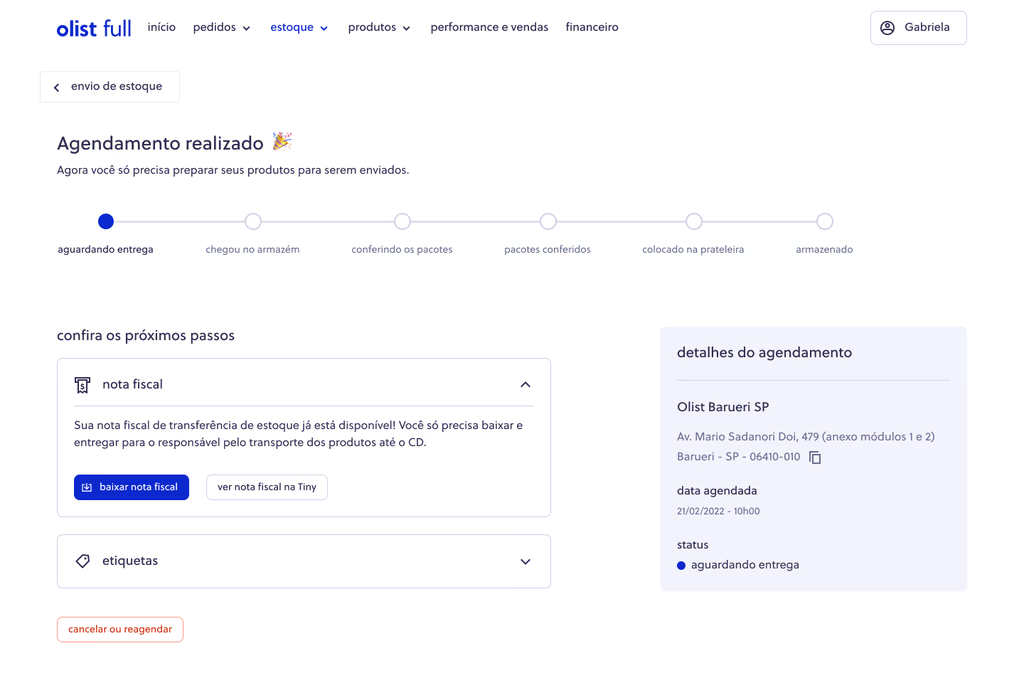
Seamless integration
Faster information exchange with an internal billing system.
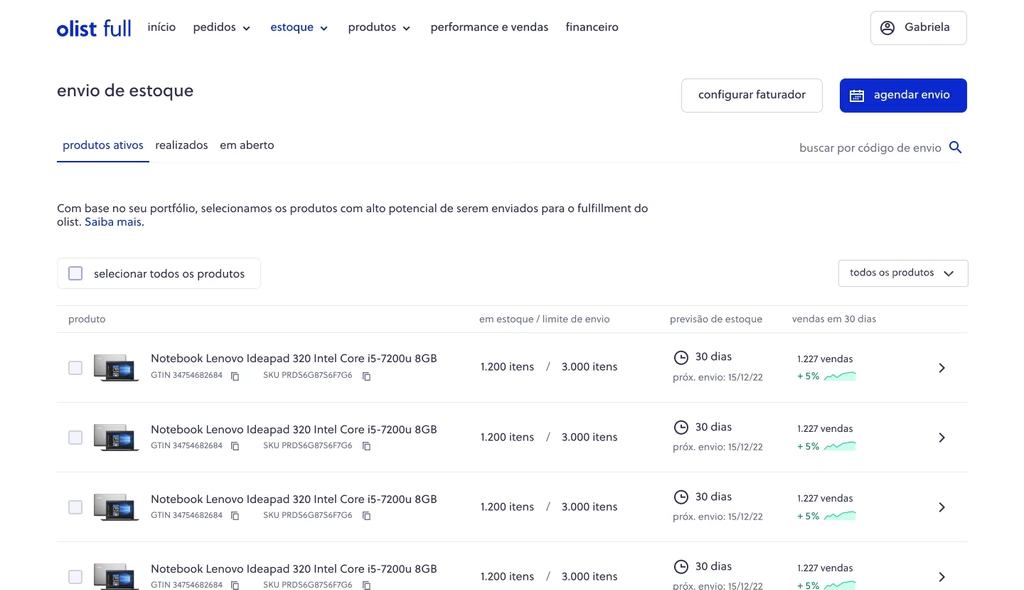
-
Ongoing
- Performance tracking
- Data analysis
The impact
The results spoke for themselves:
The average time for issuing an NF decreased from 20h to 7h.The drop-off rate decreased from 23% to 7%.NF errors dropped from 64% to 34%.Support calls related to billing decreased from 80% to 21%.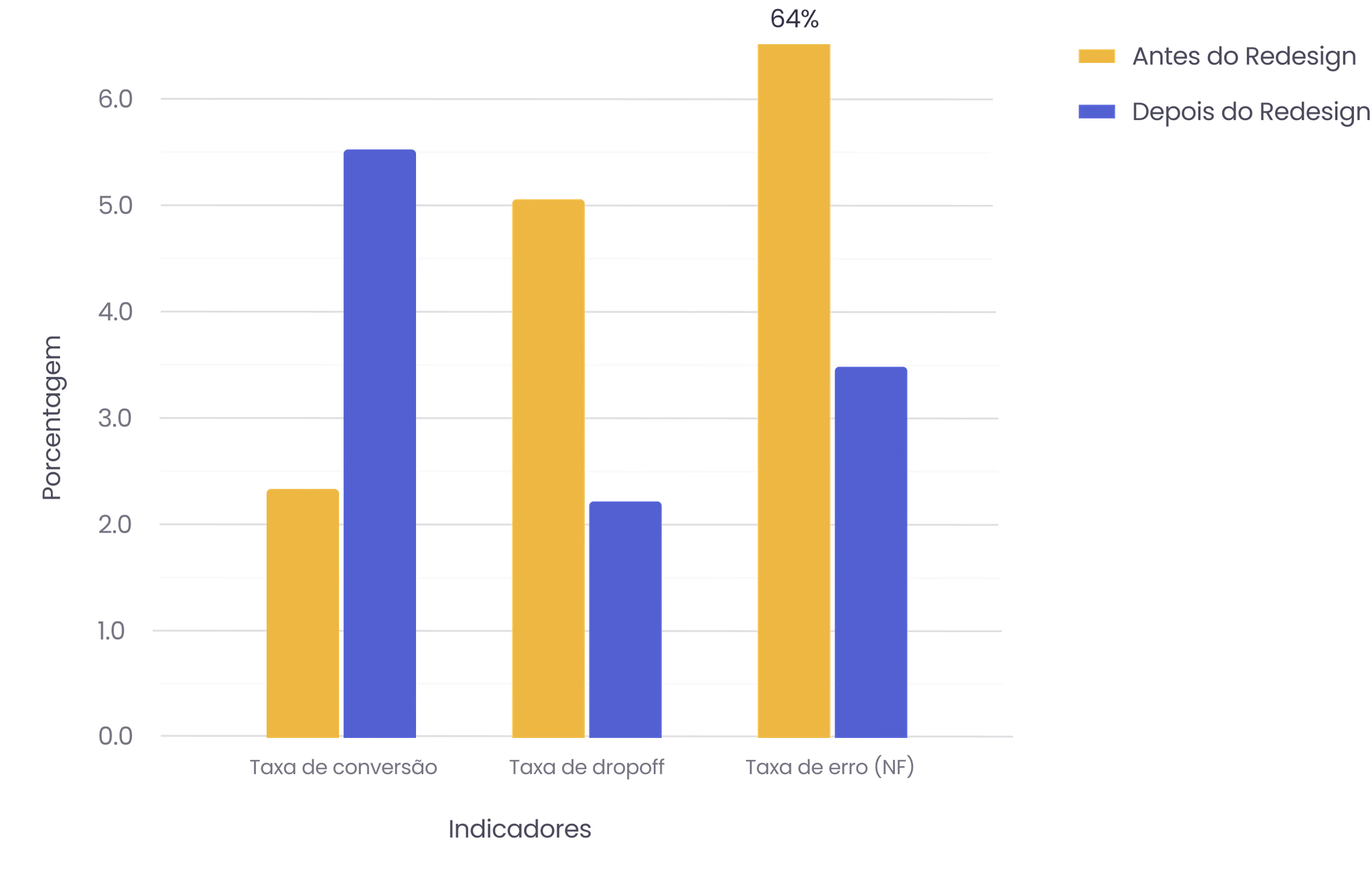 And the most important thing: the volume of inventory shipments has doubled, boosting 4x the sales performance via fulfillment.
Learnings
This project taught me that:
- Often, the biggest pain point for the user is in an invisible detail of the flow.
- Resolving an operational issue can have a direct impact on revenue and satisfaction.
- Bringing critical processes into the platform is an investment that pays dividends at scale.
✨ This case reinforced something that I carry with me as a designer: my role is to transform friction into trust, and complexity into simplicity.